
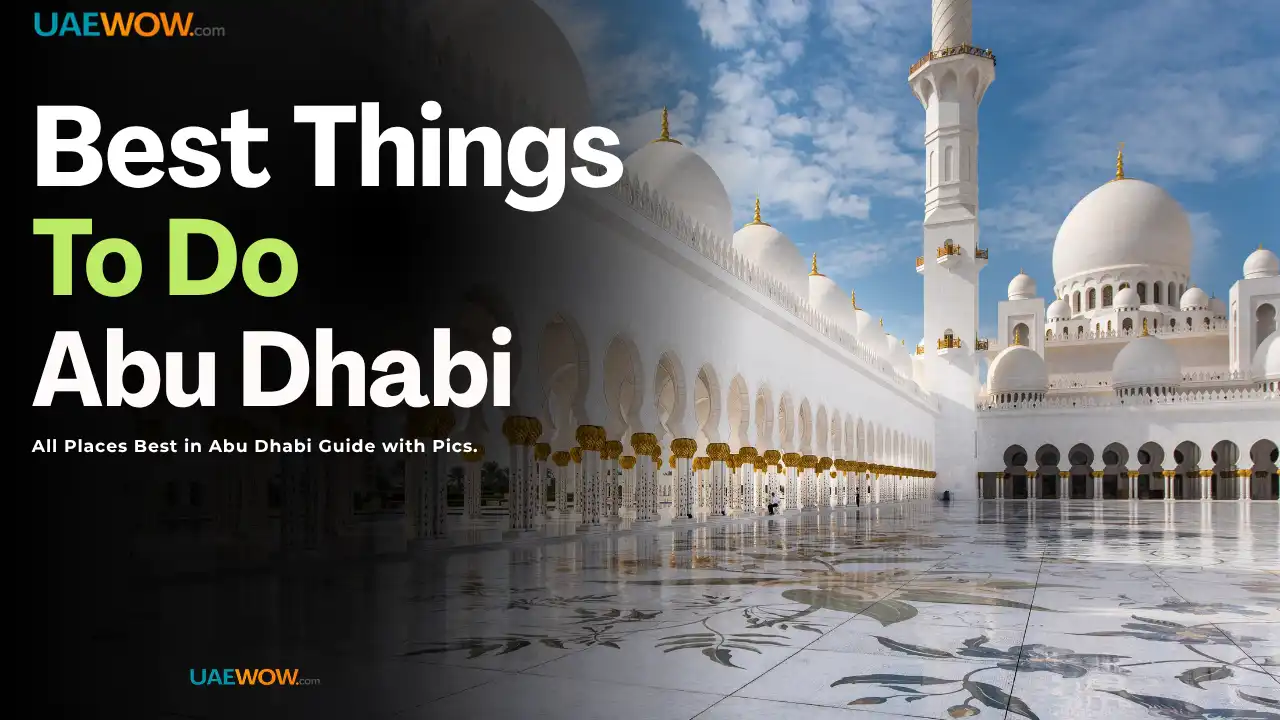

Abu Dhabi’s must-see list runs from soaring modern architecture to centuries-old forts, and the strongest itineraries mix both rather than sticking to one theme. Start with the Sheikh Zayed Grand Mosque and Louvre Abu Dhabi if it’s your first visit — both are genuinely worth the hype — then branch into the quieter, less-crowded spots most first-timers miss entirely.
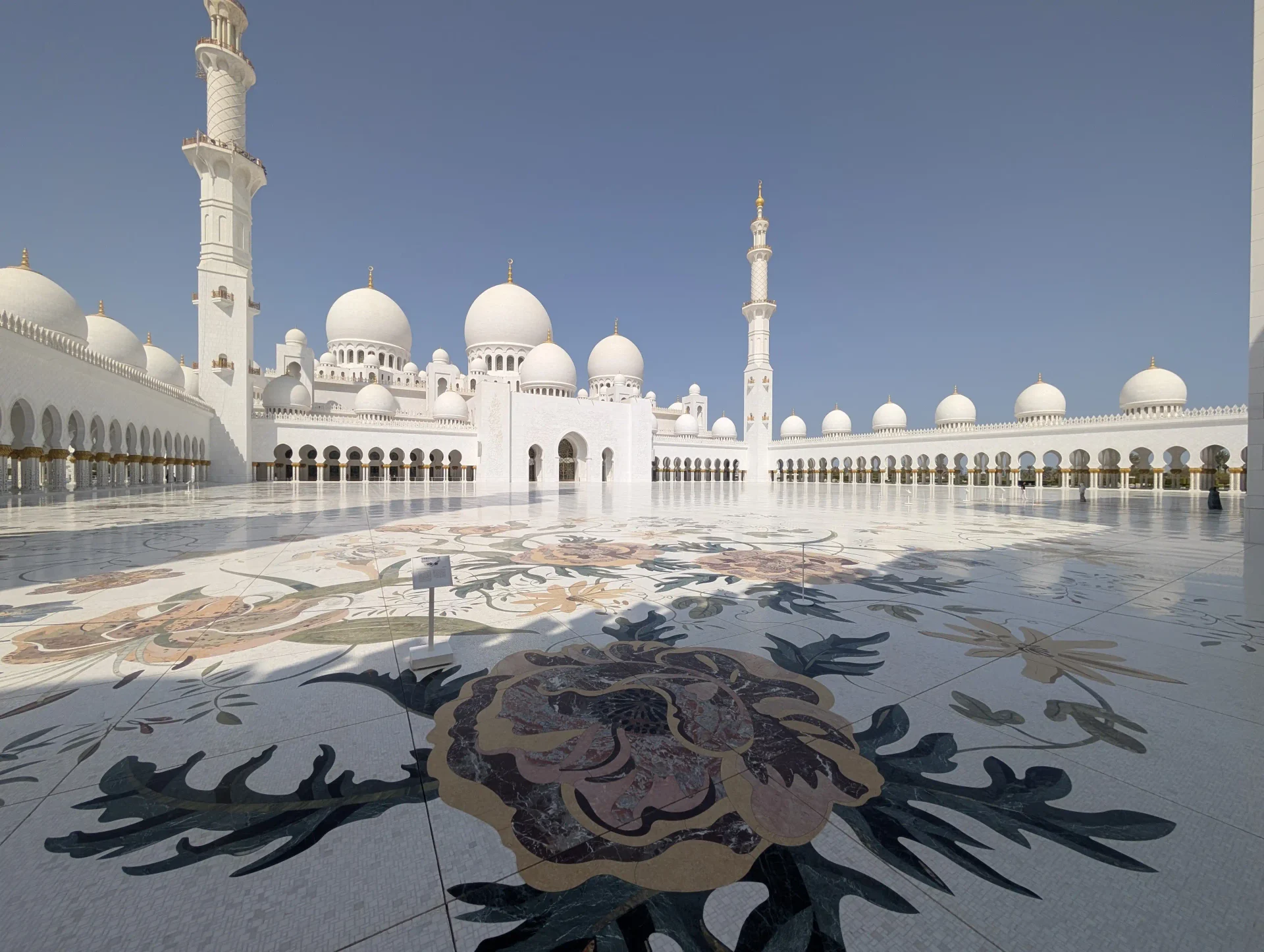
Sheikh Zayed Grand Mosque
Completed in 2007 after an 11-year build, the Grand Mosque was commissioned by Sheikh Zayed bin Sultan Al Nahyan, the UAE’s founding president, who is buried on the grounds. The building holds 82 domes and can accommodate over 41,000 worshippers.
Dress modestly, and note that abayas are no longer available for hire on-site — bring a scarf and full-length sleeves and skirt/trousers regardless of the weather. Entry is free, and the mosque’s underground visitor centre has cafes and a small shopping area if you need to adjust your outfit before entry.
Louvre Abu Dhabi
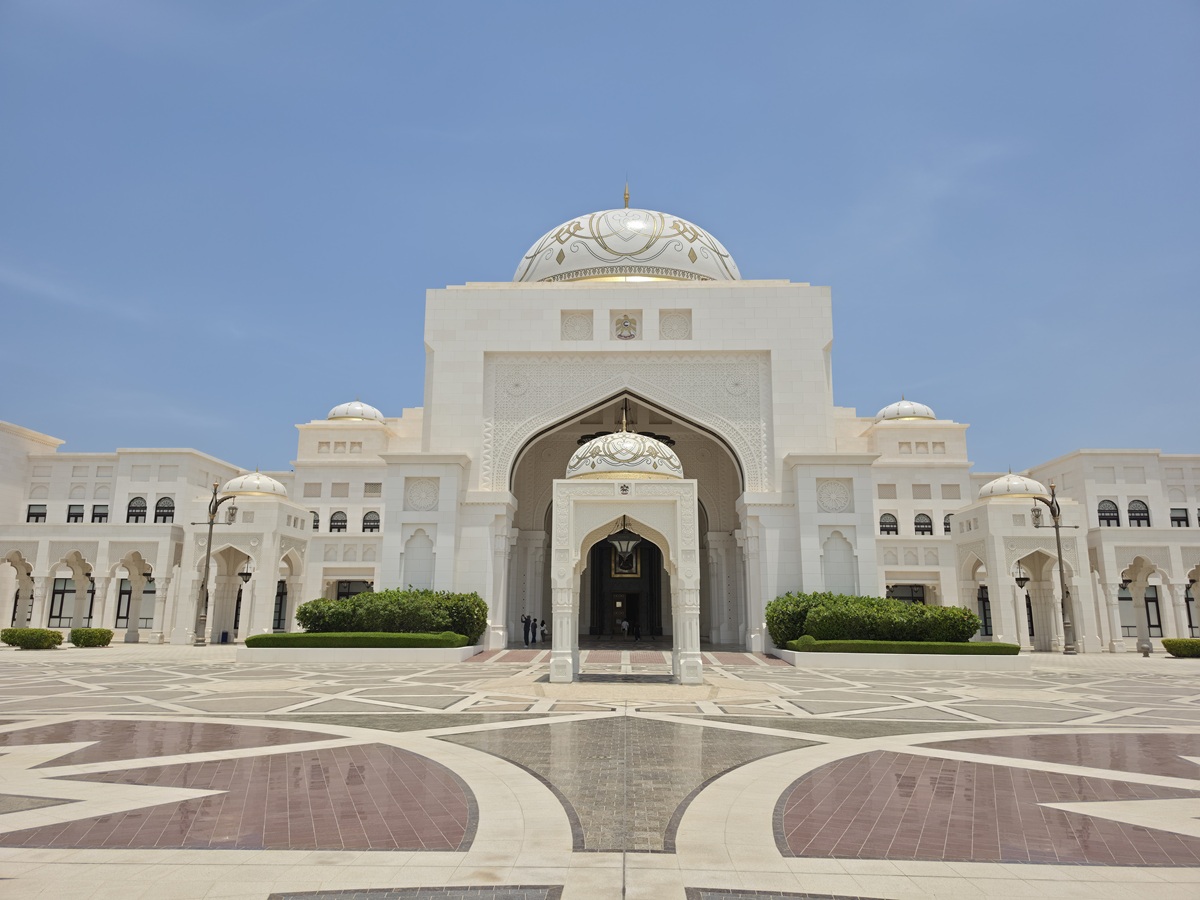
In 2007, Abu Dhabi agreed to pay the French government $525 million (€400 million) to use the Louvre name for 30.5 years, plus additional fees for artwork loans and curatorial guidance — the museum itself didn’t open until a decade later, in November 2017. Designed by Jean Nouvel, the building’s landmark feature is a vast perforated dome that scatters light across the galleries like sunlight through palm fronds.
The collection rotates regularly, since many pieces are loans from French institutions rather than a permanent holding — worth checking what’s currently on display before visiting if a specific piece is the draw.
Places to visit in Dubai for free
Qasr Al Watan
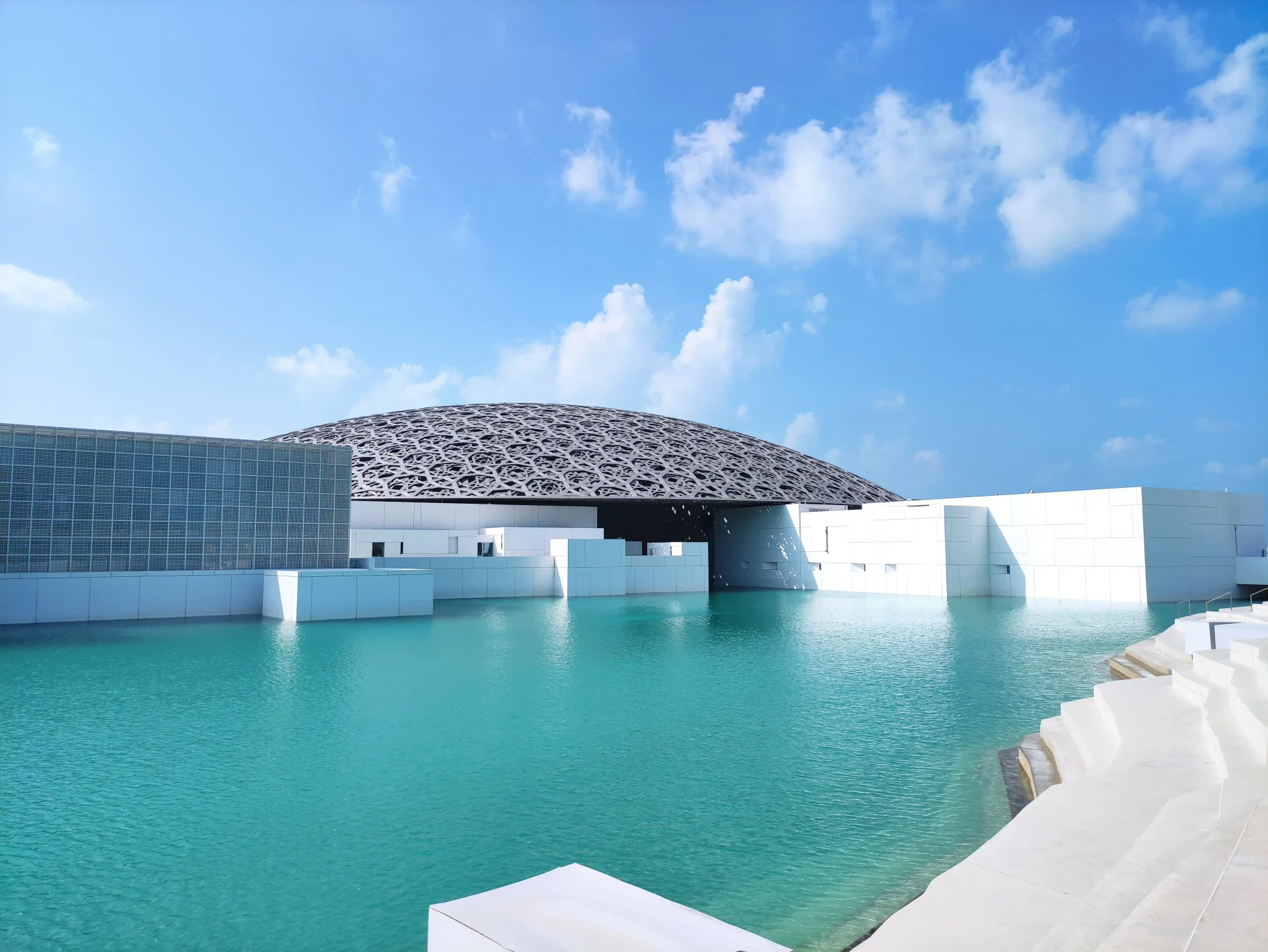
Opened to the public in 2019, Qasr Al Watan is a working presidential palace that doubles as a cultural institution — visitors can explore the Great Hall, the House of Knowledge library, and rooms displaying diplomatic gifts received by UAE leadership.
Visit in the evening for the building’s lighting displays and a chance to see the ceremonial guard horses, both easy to miss on a daytime-only visit.
Observation Deck at 300
Located on the 74th floor of one of the Etihad Towers, this is one of Abu Dhabi’s highest public viewpoints. Entry is ticketed for non-hotel guests, and the deck includes a café with skyline views in both directions — city and coastline.
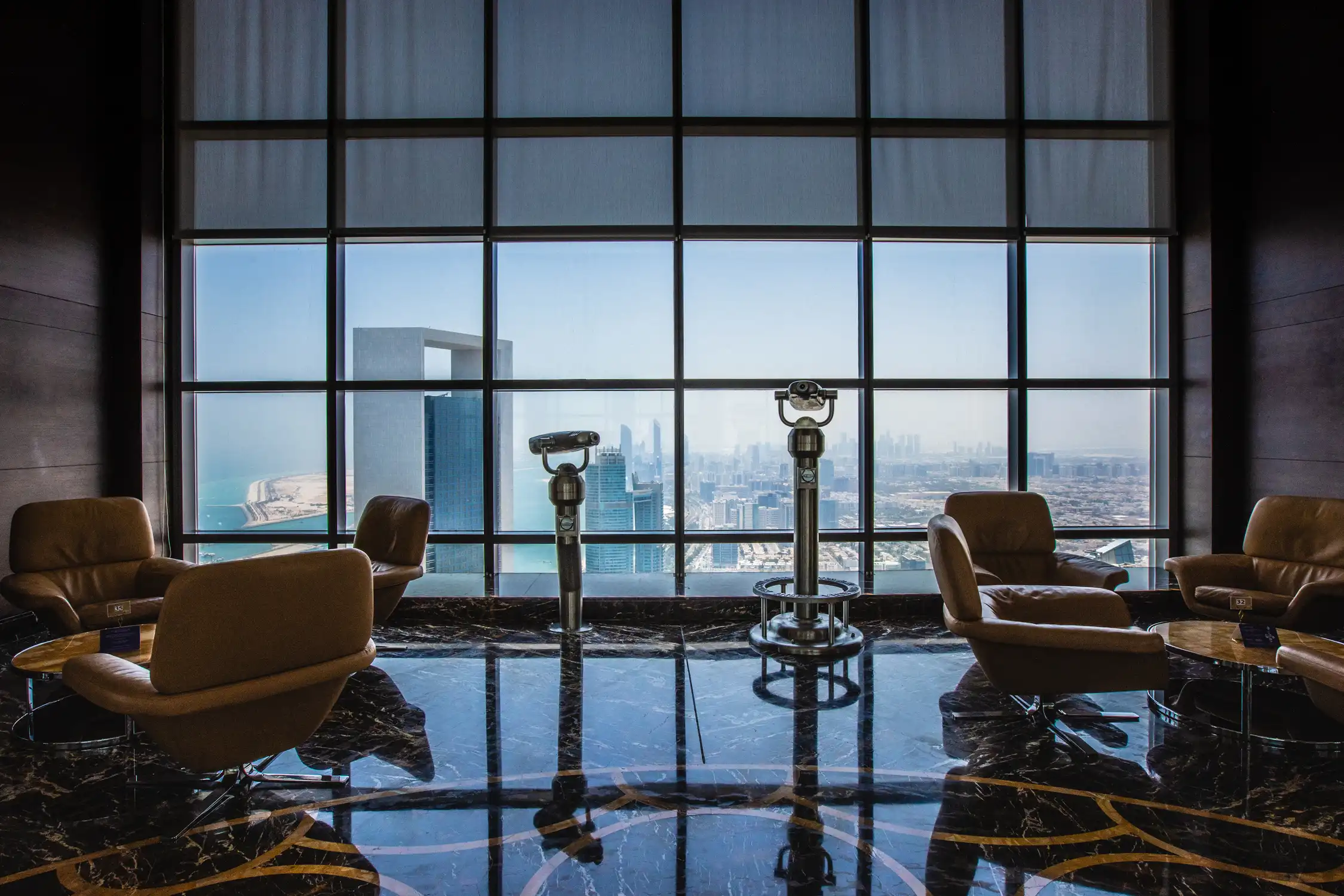
Qasr Al Hosn
The oldest structure in Abu Dhabi, with sections dating to 1761, Qasr Al Hosn was originally built to protect the area’s only freshwater well and later served as the ruling family’s residence. It now anchors the Abu Dhabi Cultural Foundation, with exhibition rooms along the fort’s original walls.
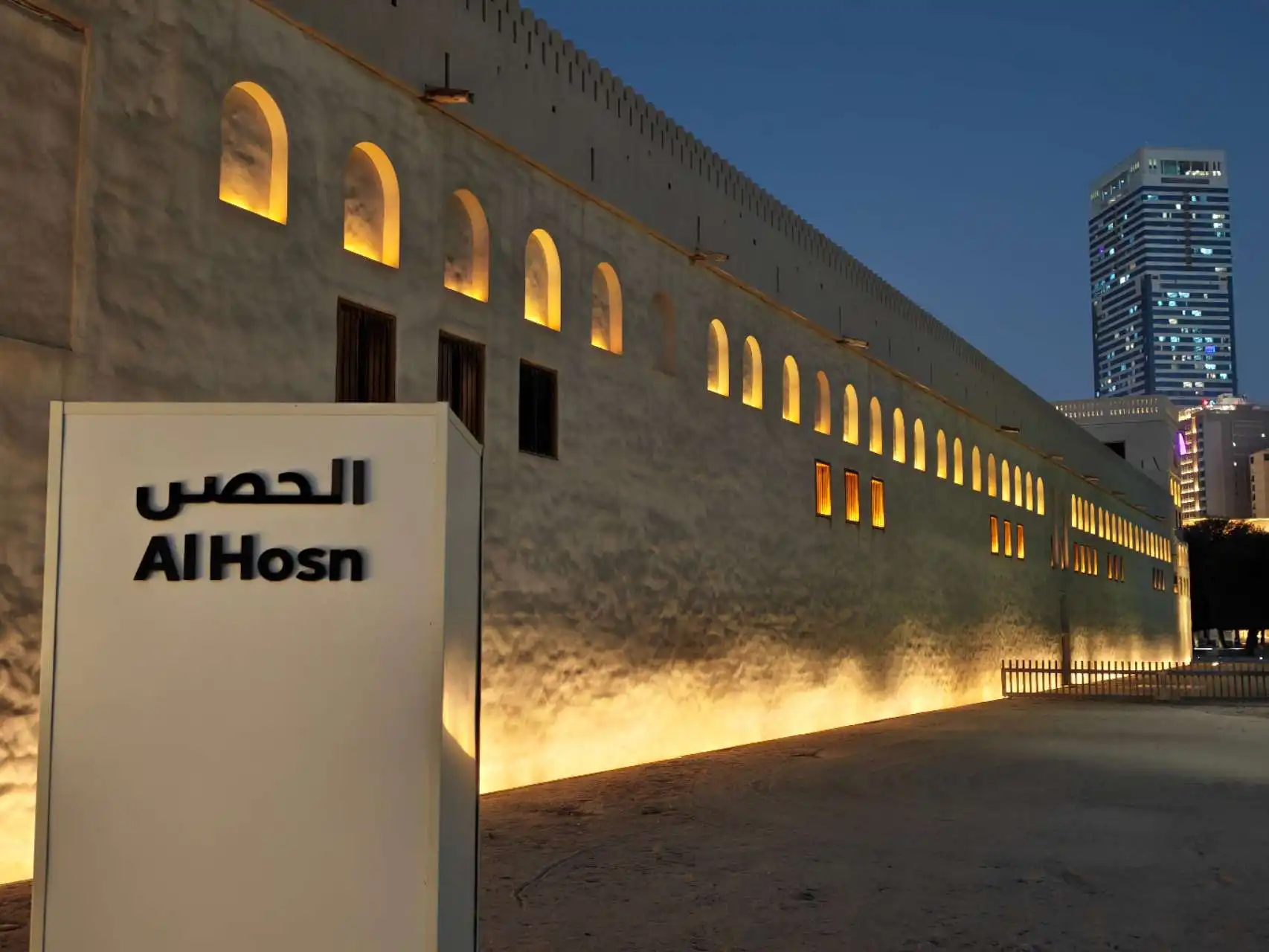
Pro tip: Visit Qasr Al Hosn close to sunset — the contrast between the 18th-century fort walls and the modern skyline behind them is one of the most striking sightlines in the city, and the lighting works best in the last hour before dark.
Emirates Palace
One of the world’s most expensive hotels ever built, Emirates Palace has operated under Mandarin Oriental management since 2020, after previously being run by Kempinski. Non-guests are welcome to visit for dining or afternoon tea, and the building’s gold-domed interior is worth seeing even without a reservation.
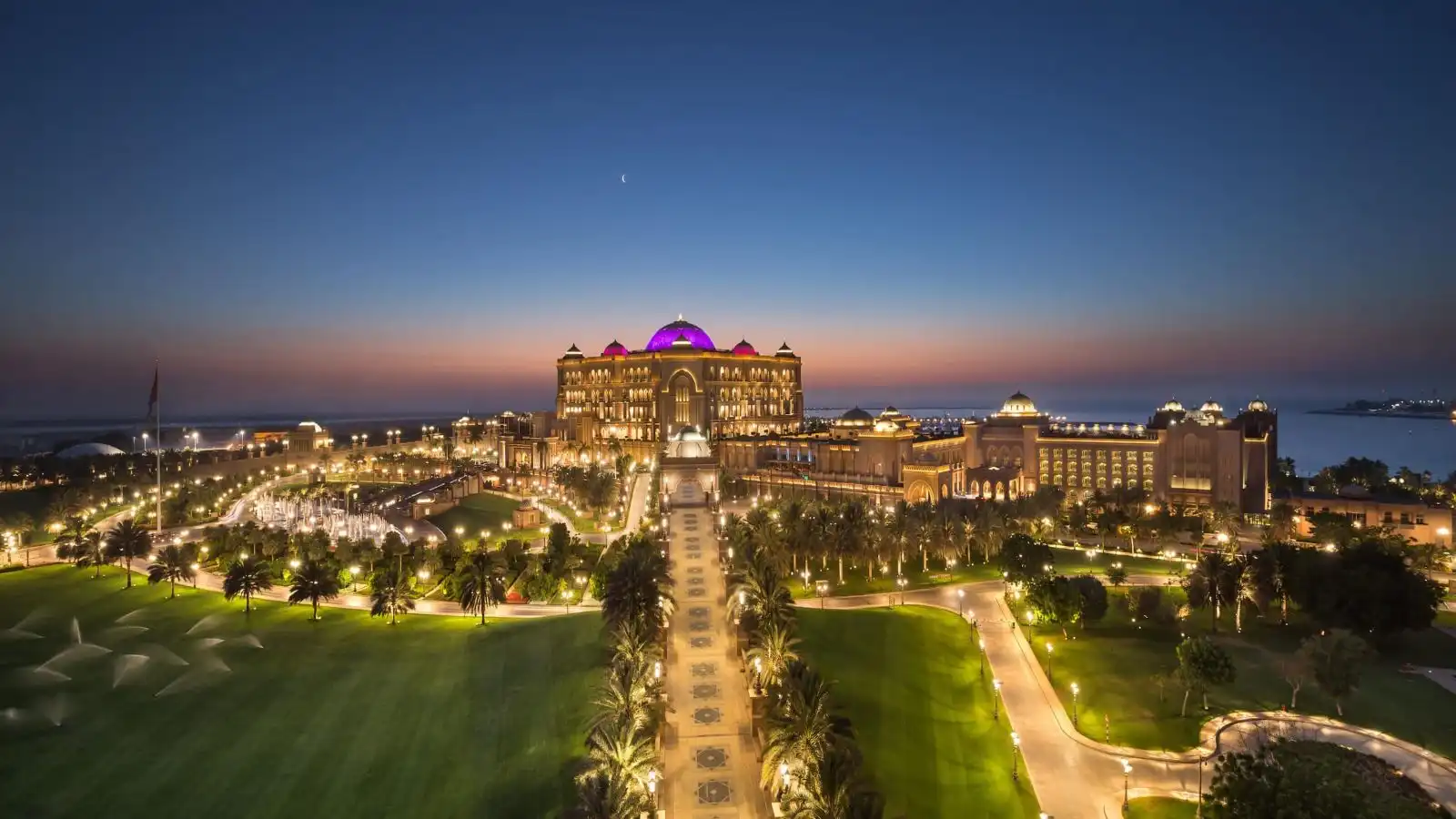
SeaWorld Abu Dhabi
Opened in 2023, SeaWorld Abu Dhabi is organized into eight themed zones covering different ocean and polar ecosystems, connected by a central hub with a 360-degree screen. It positions itself as an animal rescue and rehabilitation facility alongside its visitor attractions.
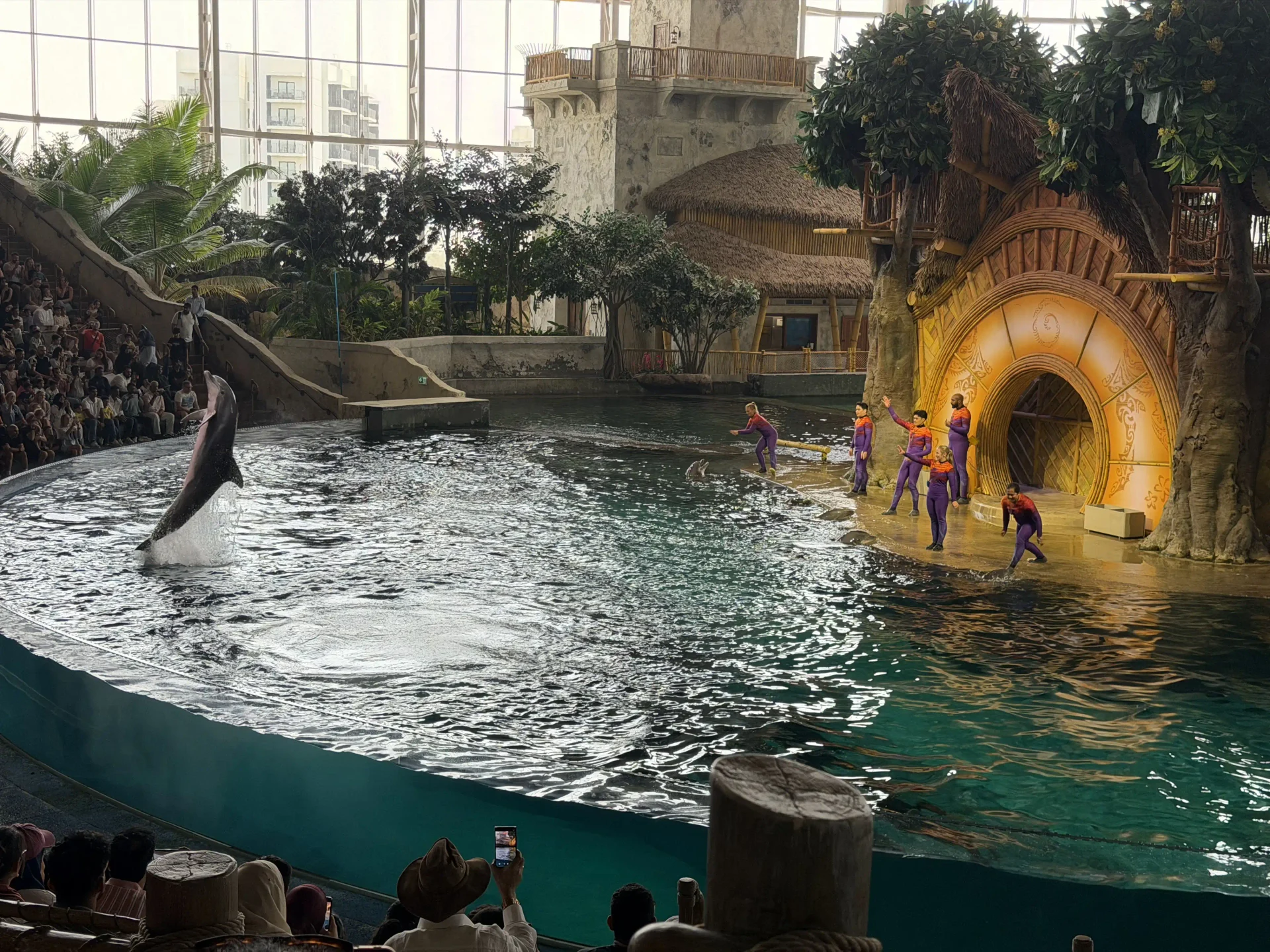
Height restrictions apply to several rides — most require at least 120cm, with only a limited selection available for children between 95–120cm, worth checking before planning a visit with younger kids.
Jubail Mangrove Park
A 2km boardwalk through a natural mangrove ecosystem, with options for electric car tours, kayaking, or walking the platforms independently. Bird species spotted here regularly include herons and various wading birds, with flamingos and turtles occasionally visible depending on season.
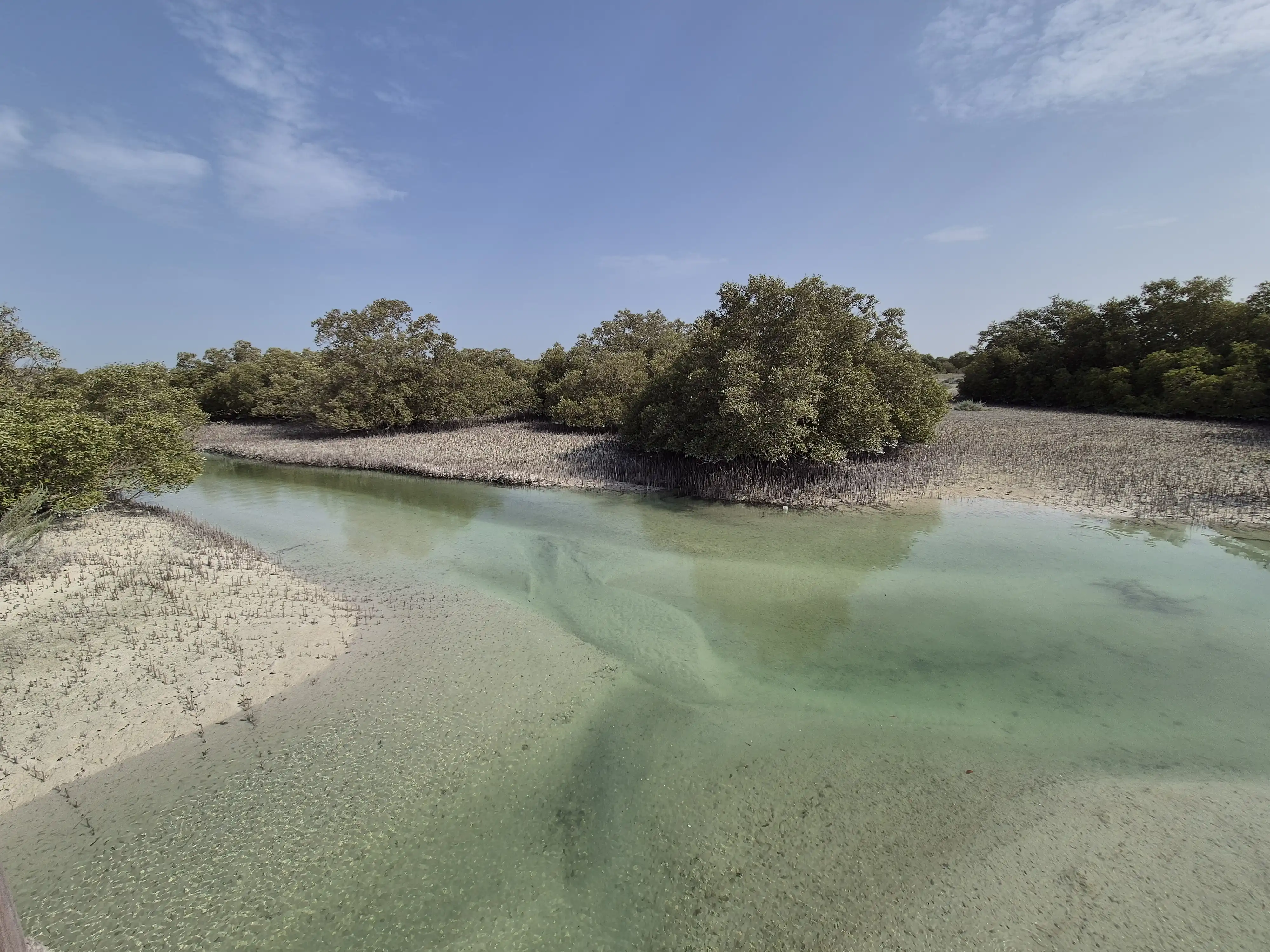
Tide timing changes the experience meaningfully — high tide gives more striking turquoise-water photos, while low tide exposes the mangrove root systems for a closer look at the ecosystem itself.
Abrahamic Family House
A genuinely underrated stop most visitor guides skip. This complex houses an active church, mosque, and synagogue within the same enclosed square, connected by a central forum building with a café and rooftop garden — a rare example of three faiths’ places of worship functioning side by side.
Founder’s Memorial
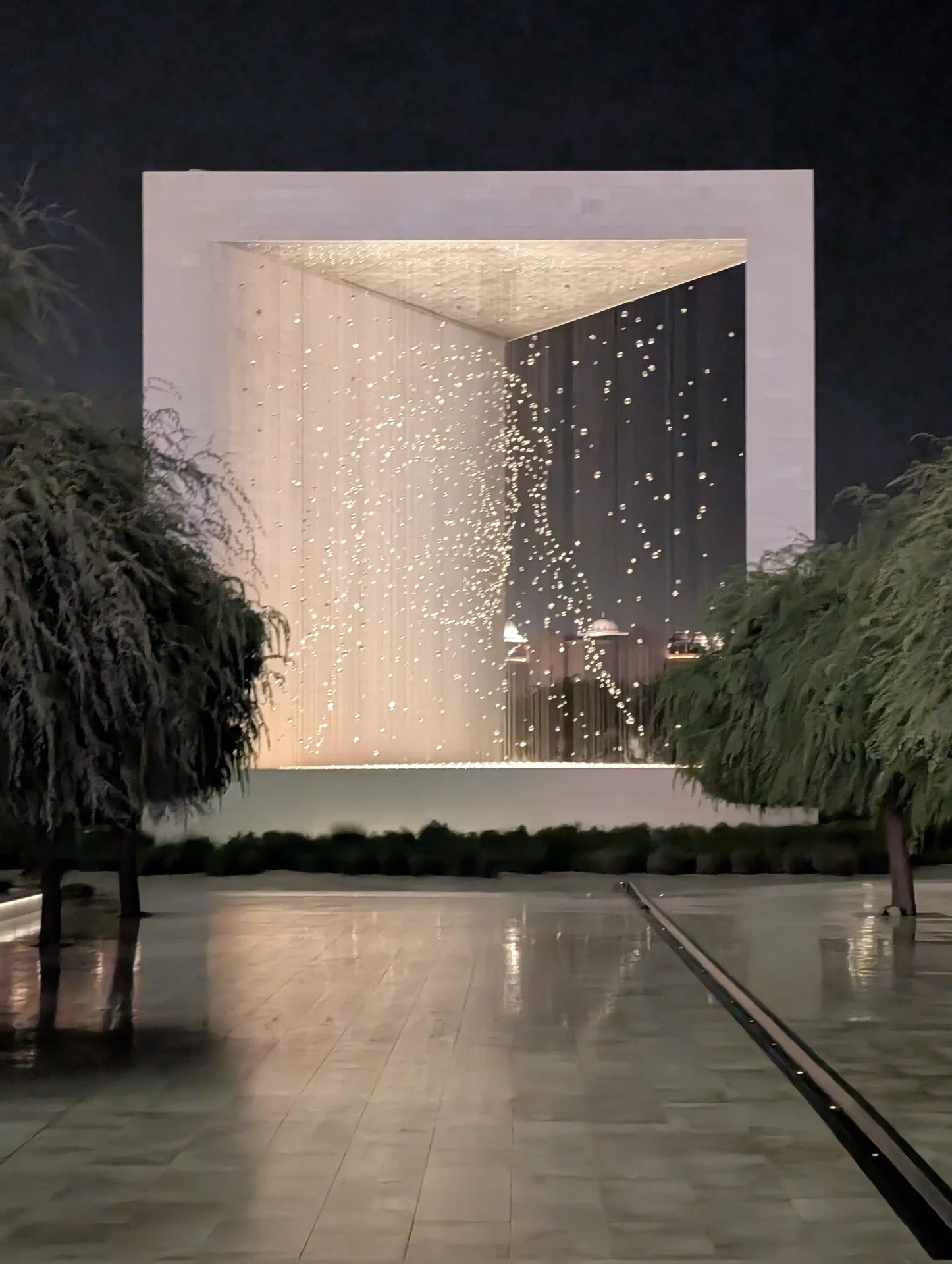
A national tribute to Sheikh Zayed bin Sultan Al Nahyan, created by artist Ralph Helmick and titled The Constellation — a suspended sculptural portrait formed from thousands of individual star-shaped elements, visible from multiple points around central Abu Dhabi.
Frequently Asked Questions
What are the best free things to do in Abu Dhabi?
Sheikh Zayed Grand Mosque, Qasr Al Hosn’s exterior grounds, the Abrahamic Family House, and Founder’s Memorial are all free to visit, alongside walking the Corniche waterfront.
How many days do you need to see the main Abu Dhabi attractions?
Two to three full days covers the core sights comfortably — one for the Grand Mosque and Louvre together (both on Saadiyat/central routes), one for Qasr Al Watan and Qasr Al Hosn, and a third for family attractions like SeaWorld or Jubail Mangrove Park if time allows.
Are there tourist places within walking distance of each other in Abu Dhabi?
Some cluster well — the Grand Mosque and Louvre Abu Dhabi are both accessible via the same city bus route, and Qasr Al Hosn sits close to Abu Dhabi Cultural Foundation. Most major attractions still require a taxi or car between them given the city’s spread-out layout.
Last reviewed: September 2026 Reviewed by: UAE Content Team Source: Department of Culture and Tourism – Abu Dhabi
